
The Ultimate Guide to Wiper Blades for Caravans, Trailers, and 4x4s in Australia
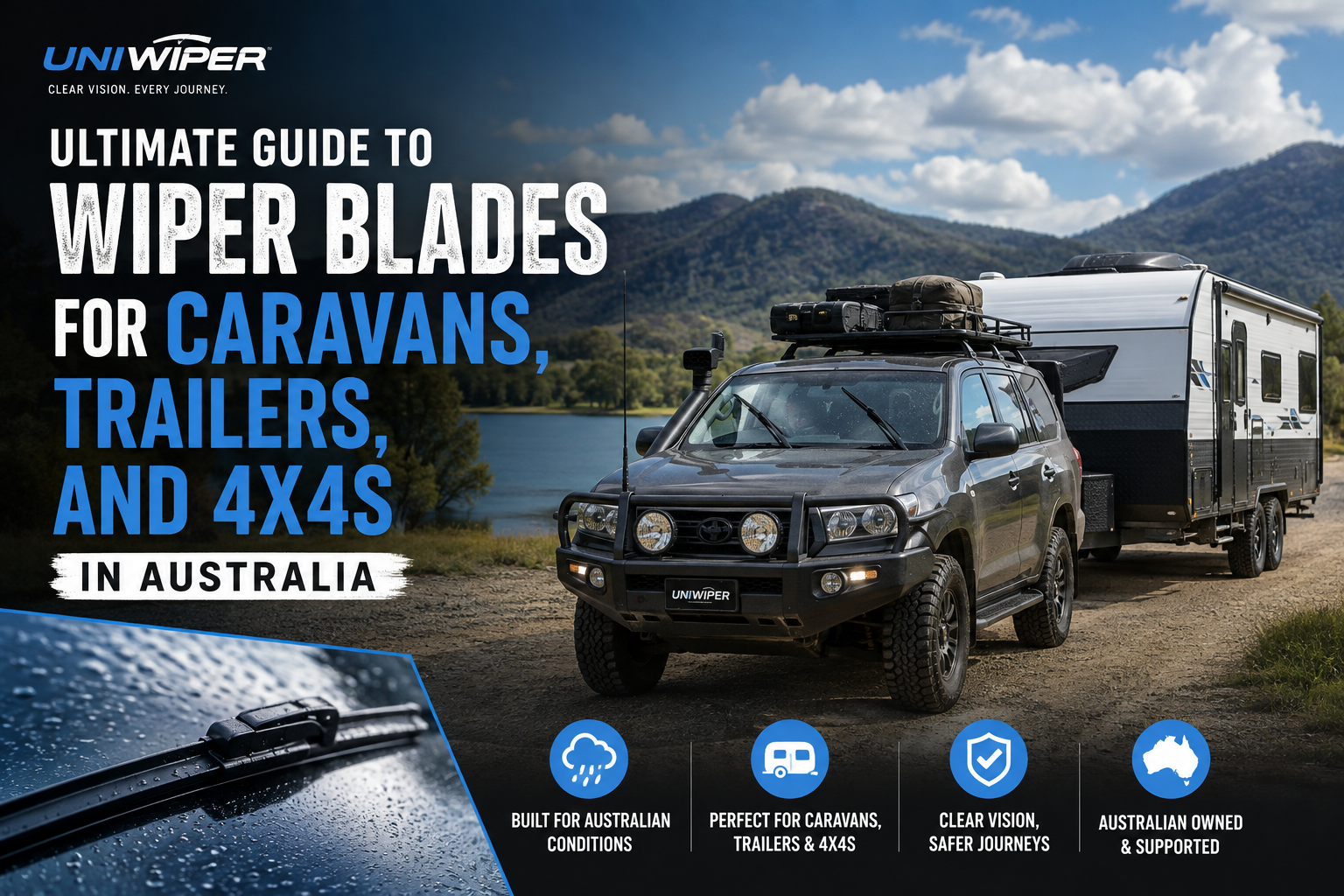
Australia’s vast and varied landscapes are a playground for adventurers. From the red dust of the Outback to the salty spray of coastal highways, your caravan, trailer, or 4×4 is built to handle it all. But there’s one critical, often overlooked component that stands between a clear view and a dangerous blind spot: your wiper blades. Unlike standard car wipers, blades for these larger, adventure-ready vehicles face a unique set of challenges. They battle relentless UV radiation, corrosive salt, abrasive dust, and torrential downpours that can appear out of nowhere. In 2026, with technology and materials advancing, choosing the right wiper is no longer an afterthought—it’s a vital part of your safety and preparedness kit. This comprehensive guide will navigate you through everything you need to know to ensure your view stays crystal clear, no matter where the road takes you.
Why Specialised Wiper Blades Are Non-Negotiable
You might be tempted to fit the cheapest universal blade you can find, but for caravans, trailers, and 4x4s, this is a critical mistake. These vehicles operate in a different league.
The Unique Challenges of the Australian Environment
- Extreme UV Exposure: Australia’s sun is brutal. Standard rubber compounds dry out, crack, and perish rapidly, leading to streaking and chatter long before their time.
- Abrasive Dust and Sand: Outback and beach driving kicks up fine, abrasive particles that coat the windshield and act like sandpaper on wiper rubber, quickly degrading the edge.
- Corrosive Salt Air: Coastal touring exposes wiper mechanisms and blades to salt, accelerating rust in the arms and deterioration of the blade frame.
- Heavy, Monsoonal Rain: When it rains, it can pour. You need a blade that can evacuate large volumes of water efficiently without hydroplaning across the glass.
- Vibration and Flex: Off-road terrain and long, uneven caravan/trailer bodies cause significant vibration and flex, which can loosen wiper arms and cause inconsistent blade pressure.
Consequences of Using the Wrong Blades
Compromised visibility isn’t just an inconvenience; it’s a major safety hazard. Streaking, chattering, and incomplete clearing dramatically increase driver fatigue and reaction times. For a caravan or trailer, poor rear-view visibility (if fitted with a wiper) is equally dangerous. Furthermore, a worn blade can permanently scratch your windshield, an expensive repair that is entirely preventable.
A Comprehensive Guide to Wiper Blade Types
Understanding the construction of wiper blades is key to making the right choice. Here are the main types available in the 2026 Australian market.
1. Conventional/Standard Frame Blades
The traditional design with a metal frame and multiple pressure points. While often the most affordable, they are prone to ice and snow buildup (less relevant in Australia) and can struggle to maintain even pressure on heavily curved modern windshields common on 4x4s.
2. Flat (or Beam) Blades
The modern standard for most vehicles. A single, sleek piece of rubber-covered spring steel applies uniform pressure across the entire blade length. They are superior at resisting lift at high speeds (perfect for towing), shed ice/snow easily, and their aerodynamic design is less likely to collect dust and debris. This is the recommended starting point for most 4x4s, caravans, and trailers.
3. Hybrid Blades
As the name suggests, these combine a semi-streamlined frame with a covered design. They offer some of the even pressure of a flat blade with the robustness and sometimes lower cost of a framed design. A good middle-ground option for certain applications.
4. Specialty and Heavy-Duty Blades
This is where the adventure market shines. Look for blades marketed as “Heavy-Duty,” “All-Terrain,” or “UV-Resistant.” These feature:
- Advanced Rubber Compounds: Silicone or graphite-infused rubber that lasts 2-3 times longer than standard rubber, offering superior UV, ozone, and temperature resistance.
- Corrosion-Resistant Frames: Stainless steel or polymer coatings to fight salt corrosion.
- Reinforced Construction: Designed to handle the extra vibration and flex of off-road or towing use.
Choosing the Right Blade: A Vehicle-Specific Breakdown
For Caravans and Camper Trailers
Your home-on-wheels faces unique challenges. Long periods of stationary exposure to the sun, followed by use in all conditions, demand durability.
- Focus on UV Resistance: Silicone blades are arguably the best investment for a caravan. They withstand long-term sun exposure without perishing.
- Length and Coverage: Ensure you have the correct length for maximum swept area. A longer blade may be beneficial for large front windows.
- Rear Window Wipers: If your caravan has one, don’t forget it! These are often neglected but crucial for reversing and monitoring traffic behind.
- Arm Health: Caravan wiper arms can seize or weaken. Check the spring tension before installing new blades.
For 4x4s and SUVs
Your vehicle needs a blade that can perform on the highway one minute and a corrugated track the next.
- Flat/Beam Blades are King: Their resistance to wind-lift at highway speeds (especially when fitted to roof racks) is essential.
- Heavy-Duty Construction: Opt for blades built for rugged use to handle constant vibration.
- Consider a Dual-Rear Wiper System: For 4x4s with rear-mounted spares that obscure the window, some aftermarket systems offer a dual-blade setup for a cleaner wipe.
- Bonnet-Mounted vs. Hidden (Aeroblade) Wipers: Know your arm type to buy the correct connector.
For Box Trailers and Utility Trailers
Trailer wipers are often simple, single-arm systems but are vital for safety.
- Simplicity and Reliability: A robust conventional or hybrid blade often suffices.
- Correct Arm Compatibility: Trailer wiper arms can have unique hook or pin-style connectors. Accurate measurement and connector identification are crucial.
- Waterproofing the Motor/Spindle: When replacing blades, check the seal where the wiper spindle enters the trailer body to prevent leaks.
The 2026 Tech and Maintenance Corner
Installation Tips for a Perfect Fit
- Measure Correctly: Use a flexible tape measure along the curve of the windshield from tip to tip of the old rubber (not the entire blade assembly).
- Identify the Connector: Australian vehicles commonly use Hook (J-Hook), Side Pin, or Bayonet connectors. A photo of your wiper arm end can help your supplier.
- Protect Your Windshield: When removing the old blade, always hold the arm once the blade is detached. Letting it spring back can crack the glass.
- Test Before You Go: Run the wipers with the screen wet (use washer fluid) to check for smooth operation and full coverage.
Proactive Maintenance for Longevity
- Clean Regularly: Wipe the rubber edge with a cloth dampened with windshield washer fluid every few weeks to remove grime and insect residue.
- Lubricate the Pivot Points: A drop of light oil on the wiper arm pivots once a year prevents seizing.
- Pre-Sunstroke Care: If parking for extended periods in the sun, consider lifting the blades off the glass with small pieces of foam or cloth to prevent the rubber from bonding to the hot windshield.
- Seasonal Check: Make inspecting your wipers part of your pre-trip vehicle checklist. Look for cracks, splits, tears, or uneven edges.
The Future is Clear: Emerging Trends
Looking ahead, we see further integration of water-repellent coatings (like hydrophobic treatments) being paired with wiper blades for even better performance. The use of sustainable materials in blade construction is also growing. Furthermore, the aftermarket is offering more custom-fit, vehicle-specific heavy-duty kits for popular 4×4 and caravan models, taking the guesswork out of the purchase.
Conclusion: Your Clear View Ahead
In the demanding Australian environment, your wiper blades are a primary safety system, not an accessory. For the adventurer in a 4×4, the grey nomad in a caravan, or the tradie with a trailer, investing in the right wiper blade technology pays dividends in safety, performance, and long-term cost savings. By choosing UV-resistant, heavy-duty blades designed for your specific vehicle and committing to simple, regular maintenance, you ensure that nothing clouds your view of the incredible journeys ahead. In 2026, with the products and knowledge at our fingertips, there’s no excuse for driving with anything less than perfect visibility. Stay safe, and enjoy the clear road ahead.
