Why Birds Attack Wiper Blades (And How to Stop Them)
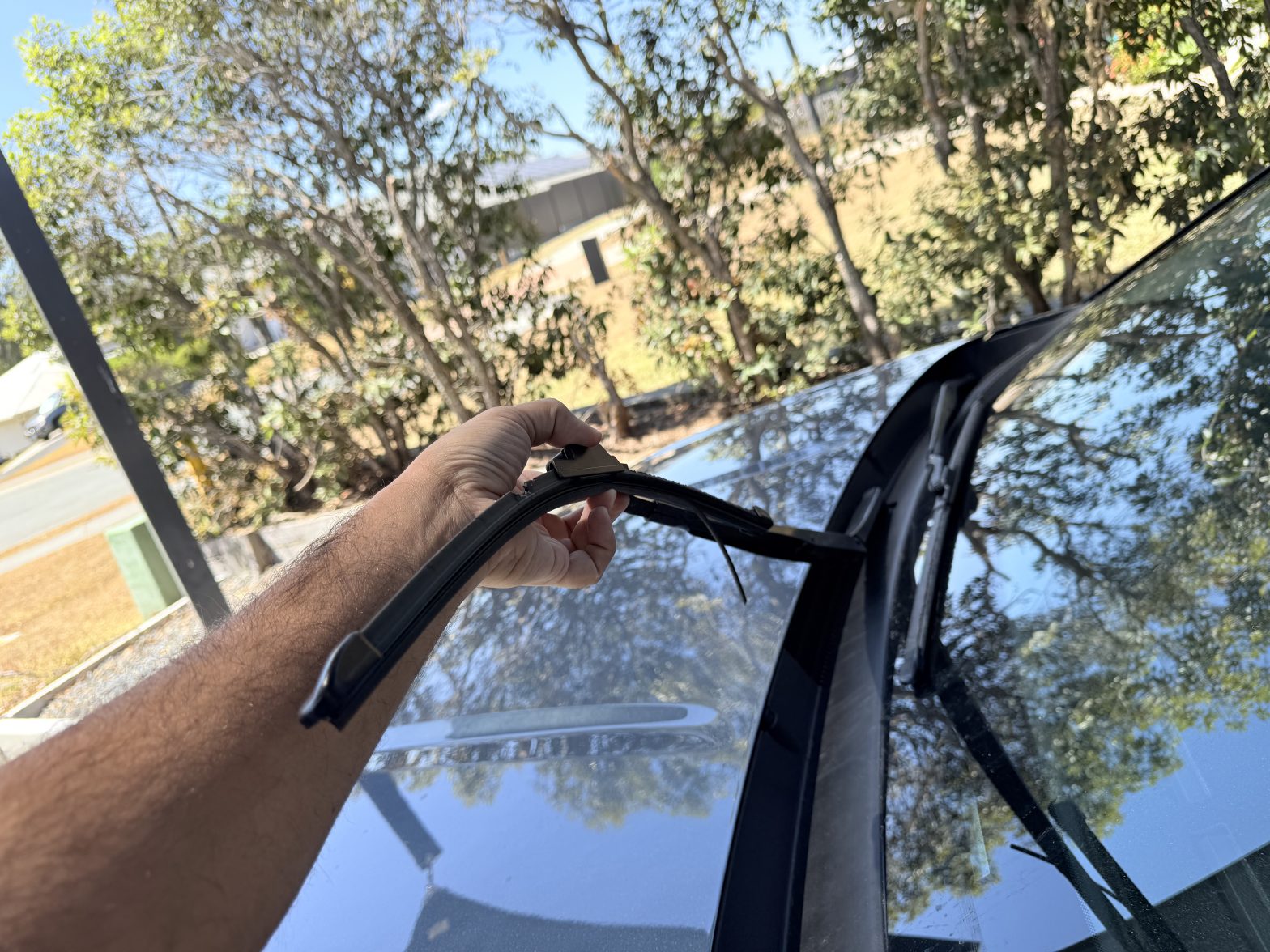
If you’ve ever walked out to your car in spring and found your windshield wipers torn, shredded, or bent at odd angles, you’re not imagining things — and you’re certainly not alone. Across Australia, thousands of drivers deal with the same frustrating problem every year: birds attacking their wiper blades. From territorial magpies in suburban Melbourne to opportunistic crows in rural Queensland, our local birdlife has a surprising vendetta against the humble windshield wiper.
The good news? Once you understand why birds target wipers, protecting them becomes much easier. In this guide, we’ll walk through the behavioural reasons behind bird attacks, how to spot the damage, and seven practical ways to shield your wipers — including why some blade types hold up better than others.
Why Do Birds Attack Windshield Wipers?
Bird attacks on wiper blades aren’t random. They’re driven by a mix of instinct, seasonal behaviour, and good old-fashioned mistaken identity. Here are the main reasons Australian birds take aim at your wipers.
Territorial Behaviour and Reflections
Many birds, particularly magpies and butcherbirds, are fiercely territorial. When they spot their own reflection in your side mirrors, polished paintwork, or windshield, they often perceive it as a rival bird intruding on their patch. The response is predictable: attack. Wipers tend to catch the brunt of this aggression because they sit right at the edge of the reflective surface, giving the bird something physical to grip, peck, and pull.
Nesting Season Aggression (August to November)
If your car has been targeted between August and November, nesting season is almost certainly to blame. During these months — peak magpie swooping season across most of Australia — male magpies become hyper-protective of their nests and chicks. Any perceived threat within 50 to 100 metres of the nest is fair game, including parked cars. Crows, currawongs, and butcherbirds all show similar behaviour during their breeding windows.
Mistaking Rubber for Food
Here’s a less obvious culprit: some birds genuinely mistake wiper rubber for worms or grubs. The long, dark, pliable shape of a wiper blade — especially when it’s wet or glistening in morning sun — can trigger a feeding response. Once the bird pecks at it and finds the rubber tears easily, curiosity can escalate into full-blown shredding.
Common Culprits in Australia
- Australian magpies — the biggest offenders, particularly during spring swooping season.
- Torresian and little crows — intelligent problem-solvers who often target wipers for play as much as territory.
- Grey and pied butcherbirds — small but relentless, with a strong peck for their size.
- Pied currawongs — common in eastern Australia and known for persistent attacks on reflective surfaces.
Signs Your Wipers Have Been Attacked by Birds
Bird damage is usually unmistakable once you know what to look for. Unlike normal wear, which produces smooth deterioration over months, bird damage appears suddenly and leaves distinctive marks.
- Pecked or torn rubber — small puncture marks or long tears along the blade edge.
- Missing chunks — sections of the rubber squeegee bitten clean off, usually near the tip.
- Streaking across the windshield — the first functional sign; damaged rubber can’t maintain a clean sweep.
- Blade separation — the rubber insert partially pulled away from the metal frame.
- Bent wiper arms — a larger bird landing or tugging hard enough to deform the arm itself.
- Scratches on the paint near the wiper cowl — a tell-tale sign of beak and claw activity.
[PHOTO: Bird damage to wiper blade will be inserted here]
If you’re seeing streaking during rain but can’t spot obvious damage, run your fingertip gently along the rubber edge. Any nicks, splits, or rough patches confirm the blade has been compromised and needs replacing.
The Cost of Bird Damage to Wiper Blades
It’s tempting to dismiss bird damage as a minor nuisance, but the real cost adds up quickly — both in dollars and in safety.
Safety Risk
This is the big one. Damaged wipers can’t clear your windshield properly, and reduced visibility during Australian storms, dust events, or heavy pollen seasons is a genuine driving hazard. A single streak across your field of view at highway speed, in rain, is the kind of thing that turns a routine drive into a near-miss. Visibility is not a feature you compromise on.
Replacement Costs
A set of standard conventional wiper blades runs between AUD $25 and $60. Premium silicone or beam blades sit higher, typically $60 to $120 per pair. If birds in your area are regular visitors, you could easily be replacing blades two or three times a year — a cost that adds up to several hundred dollars over the life of the car.
Windshield Scratching Potential
This is the hidden cost most drivers don’t think about. When wiper rubber tears away, the exposed metal frame or plastic backing can drag directly across the glass. Even a few passes can etch fine scratches into the windshield — scratches that become glaringly obvious when sun hits the glass at the wrong angle. A new windshield in Australia costs anywhere from AUD $400 to over $2,000 depending on the vehicle. Suddenly, a $60 wiper replacement looks like cheap insurance.
7 Ways to Protect Your Wiper Blades from Birds
No single tactic works for every car, every bird, and every neighbourhood. The most effective approach combines two or three of the methods below, especially during peak nesting season.
1. Park Away from Trees, Poles, and Wires
Birds attack from above, and they prefer launching from a nearby perch. If you can park at least 10 metres clear of overhanging trees, power lines, fences, or light poles, you dramatically reduce the chance of a bird even spotting your car as a target. In carparks, choose the open centre rows rather than the shady edges — your car might get warmer, but your wipers will last longer.
2. Use Car Covers or Dedicated Wiper Covers
A full car cover is the gold standard for driveway and street parking. For drivers who find a full cover impractical, dedicated wiper socks or sleeves slip over each blade in seconds and shield the rubber from direct pecking. They’re cheap, washable, and surprisingly effective — a $15 pair of covers can easily save you $100 in blade replacements per season.
3. Anti-Reflective Film or Covers on Side Mirrors
Since reflections trigger territorial aggression, breaking that mirror image removes much of the bird’s motivation. Fabric mirror socks (the same kind used to prevent frost) work well overnight. For daytime defence, some drivers tape plastic bags or purpose-made covers over the mirrors in known hotspot areas. If magpies are repeatedly attacking your car at work, this is often the quickest win.
4. Lift the Wipers When Parked (With Caveats)
Lifting your wipers off the windshield when parked is a popular tip, and it does help in one specific way: a lifted blade is less visible from above and harder for a bird to grip. However, there are caveats. Leaving wipers lifted in strong wind can cause the spring-loaded arms to snap back against the glass and crack it. Lifted blades also attract curious birds who may investigate the new shape. Use this method only overnight, in calm conditions, and lower them again before any wind picks up.
5. Dummy Predator Decals or Figures
Owls, hawks, and falcons are natural predators of magpies and smaller birds. A small vinyl decal of a bird of prey on the windshield corner, or a plastic owl placed on the dashboard, can be enough to deter attacks. Results vary — Australian birds are intelligent and may ignore a static decoy within a week or two — but rotating the position every few days keeps the illusion fresh.
6. Choose Durable, Bird-Resistant Blade Types
Not all wiper blades are created equal when it comes to beak resistance. Conventional metal-framed blades with soft natural rubber are the most vulnerable — they tear easily and expose a lot of frame for birds to grip.
Silicone wiper blades use a tougher rubber compound that’s more resistant to UV, heat, and (relevantly) pecking. The surface is also smoother, giving birds less to grab onto. If you’re in a magpie hotspot, upgrading to silicone blades is one of the most meaningful long-term changes you can make.
Beam blades (sometimes called flat blades) use a single-piece aerodynamic design with no exposed hinges or external frame. Fewer grip points means fewer places for a bird to latch on and pull. Many drivers in bird-heavy areas report that switching to beam blades noticeably reduced the frequency and severity of attacks.
7. Temporary Deterrents During Nesting Season
For the eight to twelve weeks of peak magpie season, it’s worth escalating your defences. Reflective hazard tape tied loosely to the wiper arms moves in the breeze and startles birds. Hanging a CD or small reflective disc from a nearby fence line can draw attacks away from the car. Even moving your parking spot every few days disrupts the bird’s established patrol route. These measures aren’t elegant, but they’re temporary — once nesting season ends, the pressure drops dramatically.
When to Replace Bird-Damaged Wiper Blades
Not every peck means a full replacement, but it’s worth knowing where to draw the line. Use this quick inspection checklist:
- Visible tears or missing rubber → replace immediately. The exposed frame will scratch your windshield.
- Streaking or chattering during use → replace. The rubber edge is compromised even if the damage isn’t obvious.
- Rubber separating from the frame → replace. A detached blade can fly off at speed.
- Small surface scuffs with no streaking → monitor. Test in the next rain and reassess.
- Bent or damaged wiper arm → have the arm inspected before fitting new blades. A warped arm will tear new rubber within days.
When in doubt, replace. Wiper blades are among the cheapest safety components on your car, and the cost of hesitating is measured in visibility — not dollars. If you’re not sure which blades fit your car, use our wiper blade finder to match the correct size and attachment style for your make and model.
Frequently Asked Questions
Why do magpies attack car wipers in Australia?
Magpies attack wipers primarily during spring nesting season (roughly August to November), when males defend their nests from any perceived threat within 50 to 100 metres. Reflections in car mirrors and windshields can also trigger territorial responses year-round. Wipers get the worst of it because they’re easy to grip and the rubber tears satisfyingly — which, for a bird, makes them an engaging target to return to.
Can bird attacks damage the windshield itself?
Direct beak damage to windshield glass is rare, but indirect damage is common. When wiper rubber is torn away and the exposed metal frame or plastic backing drags across the glass, it can leave fine scratches that are hard to polish out. In extreme cases, driving with a damaged blade for weeks can require a full windshield replacement to restore clear vision.
What time of year are birds most aggressive toward cars?
In Australia, the peak period is August through November, with the worst swooping and attack activity usually falling in September and October. Northern regions see slightly earlier activity; Tasmania and cooler southern areas see it slightly later. Outside nesting season, attacks still happen — especially from territorial crows and butcherbirds — but they’re far less frequent.
Are silicone wiper blades really more bird-resistant?
Silicone compounds are harder, tougher, and less prone to tearing than conventional natural rubber. They also handle Australian UV and heat better, which means they stay flexible and resilient for longer. While no blade is completely bird-proof, silicone and beam-style blades consistently outlast conventional blades in bird-heavy conditions.
Conclusion
Bird damage to wiper blades is a genuinely Australian problem, driven by a unique mix of territorial species, warm climates, and intense nesting seasons. The good news is that it’s largely preventable. Park smart, cover what you can, break up the reflections, and — most importantly — fit blades built to withstand the punishment. A set of silicone or beam blades, combined with a $15 pair of covers during swooping season, will save you money, hassle, and the kind of visibility problem no driver wants in heavy rain.
If your current blades are already showing bird damage, don’t wait for the next storm to find out how bad they are. Find bird-resistant wiper blades for your vehicle using our wiper finder — select your make, model, and year, and we’ll match you with the right silicone or beam blade for your car.