
Beyond the basic measurements and connector types, **wiper blade certifications** are the true indicators of performance, durability, and safety compliance. They are the difference between a blade that merely fits and one that is engineered to perform to a specific, verified standard. In this comprehensive 2026 guide, we will decode the world of wiper blade standards. We’ll demystify the meaning behind **OEM specifications**, the rigorous safety mandates of **ADR certification**, and the meticulous engineering validation of the **TÜV standard**. By understanding these benchmarks, you can move past guesswork and make an informed purchase that prioritizes safety, performance, and value.
Why Wiper Blade Certifications Matter More Than Ever
Modern wiper blades are sophisticated pieces of engineering. They must maintain perfect contact across complex, highly curved windshields, withstand extreme temperatures from blistering heat to freezing cold, resist UV degradation, and operate silently—all while clearing water, sleet, grime, and insect residue with minimal driver distraction. A generic, uncertified blade might look the part, but it often fails under these demanding conditions.
**Certifications are your assurance.** They signal that the product has been tested against an independent or manufacturer-defined set of criteria for materials, aerodynamic performance (to prevent lift at high speed), wiping quality, noise levels, and longevity. In an era where advanced driver-assistance systems (ADAS) like cameras and sensors are often integrated behind the windshield, a clean, streak-free wipe is not just about driver vision—it’s essential for the proper function of automatic emergency braking and lane-keeping assist technologies. Choosing a certified blade is a direct investment in your vehicle’s integrated safety ecosystem.
Decoding the Big Three: OEM, ADR, and TÜV
Let’s break down the three most significant certification categories you’ll encounter in the automotive aftermarket.
1. OEM (Original Equipment Manufacturer) Certification
What it Means: OEM certification indicates that the wiper blade is produced to the exact same specifications as the blades originally installed on your vehicle when it rolled off the assembly line. This doesn’t necessarily mean the blade is made by the car company itself (e.g., Toyota, Ford). Instead, it is manufactured by the same Tier-1 supplier (like Bosch, Valeo, or Denso) that supplied the automaker, meeting all the same material, dimensional, and performance benchmarks.
Key Characteristics of OEM-Certified Blades:
- Precision Fit: Designed for a specific make, model, and often model year, ensuring perfect curvature and connector compatibility.
- Validated Performance: Tested by the vehicle manufacturer to work optimally with the windshield’s unique angle and curvature.
- Material Quality: Uses the same rubber compounds and structural materials (e.g., steel, graphite) as the original part.
- Packaging: Often sold in official-looking packaging with the vehicle manufacturer’s part number and branding.
The SEO-Optimized Takeaway for Buyers: Choosing **OEM wiper blades** is the “factory match” choice. It guarantees compatibility and performance identical to your car’s original setup. Ideal for owners who want a hassle-free, direct replacement without compromising on the vehicle’s original design intent. The primary keyword here is peace of mind through exact specification matching.
2. ADR (Australian Design Rule) Certification
What it Means: ADR is a mandatory, government-enforced safety standard in Australia. For wiper blades and systems, **ADR Certification** is governed by specific rules (primarily ADR 16/… and ADR 18/…) that set minimum legal requirements for performance. Unlike OEM standards, which are manufacturer-specific, ADR is a legislative benchmark focused solely on safety outcomes.
What ADR Certification Tests For:
- Wiped Area: Mandates a minimum percentage of the driver’s vision area that must be effectively cleaned.
- Wiper Frequency: Sets requirements for the number of wipe cycles per minute.
- System Durability: Tests the wiper arm and blade assembly for endurance under load.
- Product Marking: Requires blades to be permanently marked with data like size and supplier.
The SEO-Optimized Takeaway for Buyers: An **ADR certified wiper blade** is a legally compliant safety device for the Australian market. It is your assurance that the product meets stringent, government-defined minimums for clearing your windshield. When you see this certification, you know the blade is built to a robust safety-first standard, not just a marketing claim. This is crucial for **car wiper safety** in regulated markets.
3. TÜV (Technischer Überwachungsverein) Certification
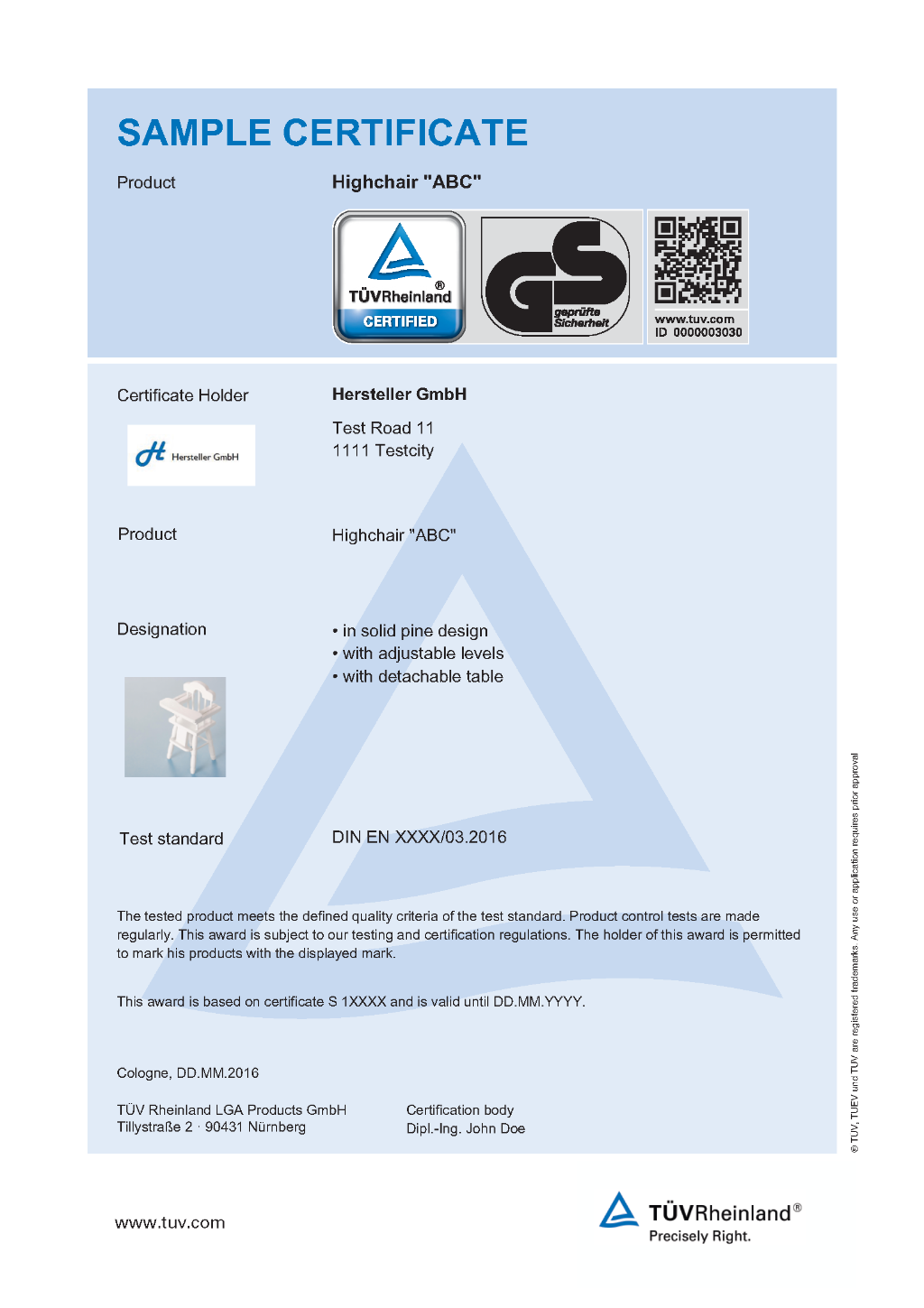
What it Means: TÜV is an independent German organization renowned globally for its rigorous testing and quality certification. A **TÜV certification** on a wiper blade is a voluntary mark of excellence that often exceeds basic legal or OEM requirements. Products bearing the TÜV mark have been tested in TÜV’s own laboratories and have proven to meet high, internationally recognized standards for quality, safety, and performance.
The Rigorous TÜV Testing Process Includes:
- Material Analysis: Testing rubber for elasticity, resistance to ozone/UV, and temperature tolerance (-30°C to +80°C).
- Performance Testing: Evaluating wiping quality (streaking, smearing), aerodynamic lift at high speeds, and noise generation.
- Endurance Testing: Simulating millions of wipe cycles, exposure to artificial sunlight, and chemical resistance (e.g., washer fluid).
- Continuous Surveillance: TÜV doesn’t just test a sample; it often involves ongoing factory audits to ensure consistent production quality.
The SEO-Optimized Takeaway for Buyers: The **TÜV standard** represents the gold standard in independent product validation. A TÜV-approved wiper blade has been subjected to some of the most demanding tests on the planet. For the discerning buyer who prioritizes proven longevity, all-weather performance, and superior engineering over brand name alone, seeking out the TÜV mark is a highly reliable strategy. It answers the search for “the best performing wiper blades” with empirical evidence.
Certification Comparison: A Quick-Reference Table
| Certification | Origin / Authority | Primary Focus | Best For Buyers Who Want… |
|---|---|---|---|
| OEM | Vehicle Manufacturer / Tier-1 Supplier | Exact factory match & specified performance | Guaranteed fit and original-equipment performance for their specific vehicle. |
| ADR | Australian Government | Legislated minimum safety performance | A legally compliant, safety-first product that meets strict governmental standards. |
| TÜV | Independent German Testing Organization | Proven superior quality, durability & performance | The highest independently verified standard of engineering and all-weather reliability. |
How to Choose the Right Certification for Your Needs in 2026
With these definitions in mind, your choice depends on your priorities, location, and vehicle.
- For Guaranteed Fit & Simplicity: Choose **OEM-certified blades**. This is the safest bet if you’re unsure and want a perfect, hassle-free replacement. Check your vehicle owner’s manual or use a parts lookup tool on reputable auto parts websites.
- For Safety Compliance in Australia: If you are driving in Australia, **ADR certification** is non-negotiable for legal compliance. Always verify the blade or its packaging carries the appropriate ADR markings.
- For Proven Premium Performance: Seek out **TÜV-approved wiper blades**. Many high-end aftermarket brands (e.g., certain lines from Bosch, PIAA, and others) invest in TÜV testing to validate their premium claims. Look for the distinctive TÜV rhombus mark on the packaging or blade itself.
- The Hybrid Approach: Many quality blades may hold multiple certifications. A blade could be produced to OEM specifications for a range of vehicles, also meet ADR requirements for sale in Australia, and carry TÜV approval for its material quality. This multi-certification is a strong indicator of an exceptional product.
Beyond the Certification: Final Tips for Purchase
While certifications are crucial, they are part of a broader smart-purchase strategy.
- Measure Correctly: Always confirm the exact length (in inches or millimeters) for your driver and passenger side.
- Check the Connector: Ensure the blade is compatible with your car’s wiper arm hook type (J-hook, side pin, etc.).
- Consider the Climate: In snowy areas, consider a beam-style blade (often TÜV-tested) that resists ice buildup better than traditional bracketed frames.
- Replace Proactively: Even the best-certified blades degrade. Industry recommendation is to replace them every 6-12 months for optimal performance, not just when they start to fail.
Conclusion: Clarity Through Certification
The world of **wiper blade certifications** is a language of quality and safety. **OEM standards** assure you of a perfect, vehicle-specific match. **ADR certification** provides the bedrock of legal safety compliance in a regulated market. The **TÜV standard** offers an independent, gold-seal validation of performance and durability that transcends brand marketing.
As we move through 2026, with vehicle technology becoming ever more reliant on clear sensor and camera views, the choice of your wiper blades has never been more consequential. Don’t just buy a blade that fits; invest in a component that is certified to perform. By understanding and seeking out these key standards—OEM, ADR, and TÜV—you transform a routine maintenance task into a deliberate act of safety, ensuring that when the rain falls, your path forward remains crystal clear.
