
Understanding the Enemy: The Australian Climate’s Assault on Rubber
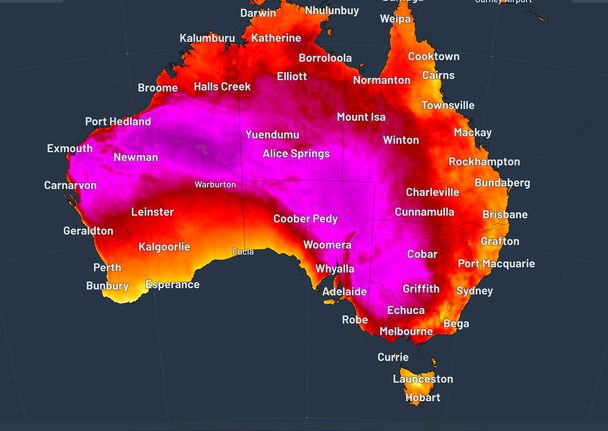
Australia is renowned for its intense UV radiation, extreme temperatures, and dry, arid conditions in many regions. This trifecta creates a perfect storm for degrading automotive rubber components. The Australian sun doesn’t just shine; it bombards. With some of the highest levels of ultraviolet (UV) radiation on the planet, coupled with summer temperatures that routinely soar above 40°C, your wiper blades are under constant, aggressive attack.
The Science of Degradation: What Actually Happens?
Modern wiper blades are sophisticated pieces of engineering, typically featuring a rubber wiping element (sometimes silicone), a series of metal or plastic frames, and numerous pivot points. The sun and heat target each of these elements mercilessly.
1. UV Radiation: The Primary Culprit
Ultraviolet rays break down the chemical bonds in rubber—a process known as photodegradation. This causes the rubber to lose its flexibility and elasticity. It becomes hard, brittle, and cracked. Once the rubber hardens, it cannot conform to the subtle curves of your windshield, leading to missed spots and streaks.
2. Extreme Heat: Accelerating the Process
Heat acts as an accelerator. High temperatures cause the rubber to dry out from the inside, a process called desiccation. The heat evaporates the plasticizers and oils that keep the rubber supple. A wiper blade left pressed against a scorching-hot windshield for hours bakes, causing it to take a “set” or deformed shape, further reducing its effectiveness.
3. Ozone and Dry Air: The Silent Contributors
Ozone, even at ground level, can cause rubber to crack in a characteristic pattern called “ozone cracking.” Combined with Australia’s often low humidity, which saps moisture, the rubber is left defenseless against these environmental factors.
The Visible (and Audible) Signs of Heat-Damaged Wiper Blades
Recognising the symptoms early can prevent a safety compromise. Look and listen for these tell-tale signs:
- Streaking & Smearing: Clear lines or wet patches left behind after wiping.
- Chattering & Juddering: A jumping, skipping motion accompanied by an awful noise.
- Squeaking: A high-pitched squeal during operation.
- Visible Damage: Check for cracked, split, or hardened rubber edges. Bent or corroded frames are also common.
- Reduced Flexibility: The blade does not spring back easily when bent gently.
Proactive Prevention: How to Shield Your Wiper Blades from the Sun
An ounce of prevention is worth a pound of cure, especially under the Australian sun. Integrating these habits into your routine can double or even triple the lifespan of your wiper blades.
Parking Smart: Your First Line of Defence
Where you park is the single most significant factor in wiper blade longevity.
- Seek Shade Relentlessly: Always opt for undercover parking, a carport, or the shade of a building or tree.
- Use a Windscreen Sun Protector: A quality reflective sunshade does more than cool your cabin; it dramatically reduces the dashboard and windshield temperature, protecting the wipers resting against it.
- Park with the Sun Behind You: If shade is impossible, position your car so the windscreen faces away from the direct afternoon sun.
Lift and Clean: The Simple, Game-Changing Habit
If you know your car will be parked in the sun for an extended period (at work, at the shops), get into the habit of lifting your wiper arms away from the windshield. This prevents the hot rubber from bonding to the glass and avoids the “set” deformation. While they’re up, take 30 seconds to wipe the rubber edges clean with a damp cloth to remove grime, insect residue, and road film that can degrade the rubber.
Regular Maintenance and Correct Usage
- Clean Your Windshield Frequently: A dirty windshield acts like sandpaper on the rubber. Use a dedicated automotive glass cleaner.
- Don’t “Dry Wipe”: Never use your wipers on a dry windshield. Always use washer fluid to lubricate the sweep.
- De-ice Gently (Southern Regions): If frozen to the glass, never force them. Use de-icer or warm the car first.
Strategic Protection: Products and Upgrades for the Long Haul
Beyond habits, investing in the right products can provide a formidable defence.
Choosing the Right Wiper Blades for Australian Conditions
Not all wiper blades are created equal. When shopping, prioritise:
- Silicone Blades: While often more expensive, silicone is inherently more resistant to UV radiation, extreme temperatures (-60°C to 260°C), and ozone than traditional rubber. They tend to last significantly longer in harsh climates.
- Hybrid or Coated Rubber Blades: Look for blades marketed as “all-season,” “weather-resistant,” or with a graphite or Teflon coating. These offer enhanced durability against the elements.
- Beam Blade Design: Modern beam-style blades (often one solid piece) have fewer exposed moving parts and are less prone to collecting debris and ice than traditional bracket blades.
Protective Treatments and Additives
Consider using a rubber protectant or conditioner designed for automotive use. Applied every few months, these products can help replenish oils and create a protective layer against UV rays. Important: Ensure the product is safe for wiper rubber and will not cause smearing.
The Importance of Washer Fluid
Using a high-quality, concentrated summer washer fluid is crucial. It contains detergents to clean effectively and bug removers. In a pinch, avoid using plain water, which can leave mineral deposits and doesn’t clean effectively, forcing your wipers to work harder.
Conclusion: Clear Vision is Non-Negotiable
In the demanding Australian environment, maintaining your wiper blades is not a matter of convenience—it is a core aspect of vehicle safety. The relentless sun and heat are actively working to degrade them year-round. By understanding the science of degradation, adopting simple preventative habits like smart parking and regular cleaning, and investing in quality, climate-appropriate blades, you can ensure that when those summer storms or unexpected downpours hit, your wipers will perform flawlessly. Your safety, and that of your passengers and other road users, depends on that clear, unobstructed view of the road ahead. Make wiper blade care a regular part of your Australian car maintenance routine.
