
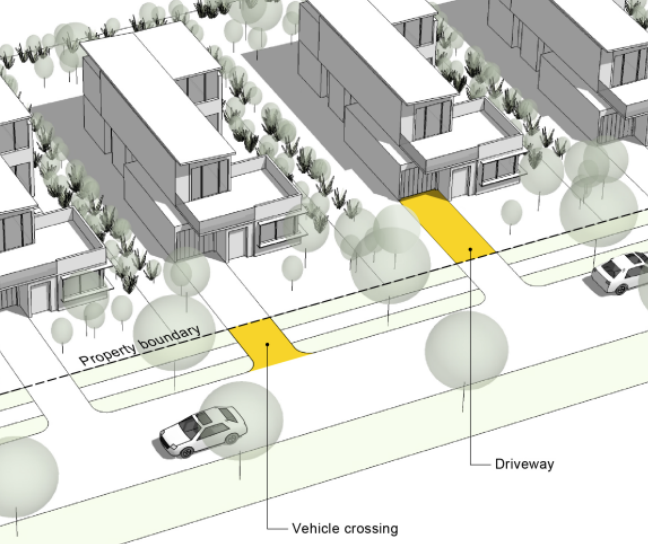
What Is the Council Strip (Nature Strip) and Why Is It Important?
The council strip, often called the nature strip or verge, is a narrow piece of land between the sidewalk and the road, usually owned and maintained by your local council or municipality. This strip serves multiple important functions, including:
- Enhancing neighbourhood aesthetics with trees, plants, and landscaping.
- Housing essential utilities like water, gas, and electrical infrastructure.
- Providing a safety buffer zone that separates pedestrians from vehicle traffic.
- Block pedestrian pathways, making it difficult for people with disabilities, parents with strollers, and other pedestrians to pass safely.
- Obstruct access to vital utilities such as water meters, gas lines, and electrical boxes, potentially delaying emergency repairs.
- Damage landscaped areas including trees, shrubs, and grass, leading to costly repairs funded by local taxpayers.
- Reduce road visibility near intersections, increasing the risk of accidents and endangering drivers and pedestrians alike.
Local councils across Australia enforce strict parking regulations to maintain safety and order. Parking on the council strip without proper authorization can result in penalties, most commonly fines ranging from $50 to $200 or more, depending on your local council’s rules. Repeat violations may lead to increased fines and even vehicle towing, emphasizing the importance of compliance.
You can easily avoid fines for parking on the council strip by following these practical steps:
- Understand your local parking regulations by checking your council’s website or contacting their office.
- Always use your driveway or designated parking areas on your property.
- If available, apply for permits that allow parking on the council strip legally.
- Observe and obey all road signs indicating parking restrictions to prevent violations.
Local councils regularly enforce parking rules through random inspections throughout the year to ensure compliance and safety on the council strip. However, many enforcement actions are also triggered by neighbour complaints. If someone reports a vehicle illegally parked on the council strip, the council may investigate and issue fines accordingly.
Parking complaints tend to rise during busy periods like the Christmas season, when increased traffic and festive activities bring more attention to neighbourhood parking. During these times, it’s especially important to avoid parking on the council strip—even temporarily—to prevent neighbour disputes and costly fines.
Maintaining a safe and harmonious neighbourhood requires everyone’s cooperation. By understanding parking rules, respecting neighbours’ concerns, and following council regulations, you help create a safer, more pleasant community—especially during busy times like the festive season.
Although parking on the council strip might seem convenient, it’s important to know that doing so illegally can result in fines exceeding $200 and cause safety and accessibility problems for your community. Staying informed about and complying with local parking regulations helps you avoid penalties and supports a safer, more accessible neighbourhood for everyone.
