
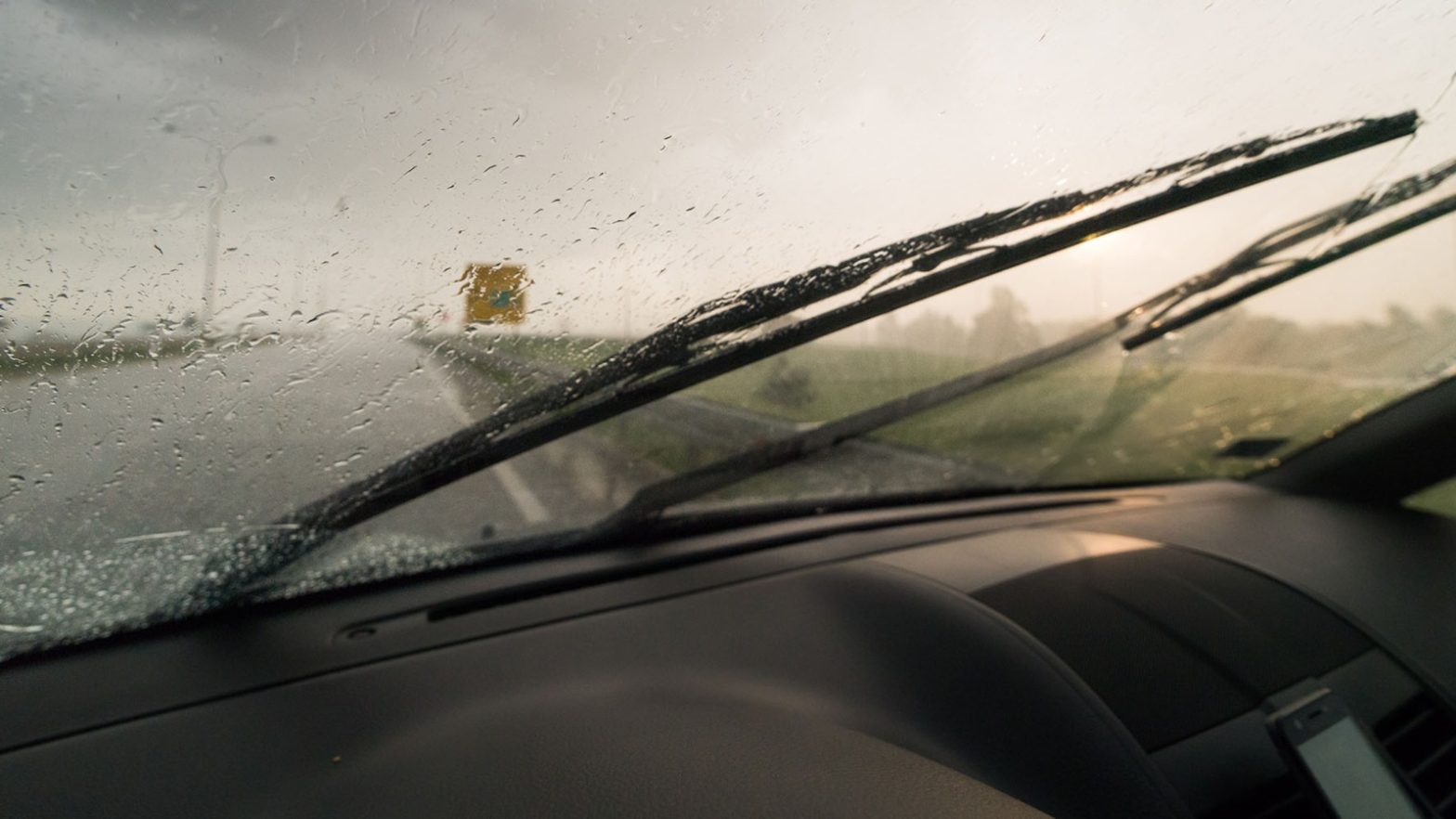
You check your oil, you rotate your tires, but do you know when to change your wiper blades? Many drivers rely on the old rule of “once a year,” only to find themselves struggling with streaky vision halfway through a summer downpour. The truth is, the lifespan of your wipers depends on a unique combination of climate, usage, and material. This definitive guide moves beyond generic advice. We’ll give you a clear framework to determine the perfect replacement schedule for your driving life, ensuring you never have to guess about your visibility again.
The Standard Recommendation: A Starting Point
Most automotive experts and wiper blade manufacturers recommend replacing your wiper blades every 6 to 12 months. This is a good baseline for average driving conditions. However, treating this as a fixed calendar date is a mistake. Think of this range as a reminder to inspect your blades, not an automatic command to replace them. Your real-world conditions will dictate the exact timing.
Key Factors That Determine Wiper Blade Lifespan
Your environment and habits are the biggest factors in how long wipers last. Ask yourself these questions:
Climate and Weather Exposure
-
Extreme Sun & Heat (Desert/Southern Climates): UV radiation is the enemy of rubber. It causes the wiping edge to harden, crack, and lose flexibility much faster. In these climates, 6-8 months is common.
-
Snow, Ice, and Cold (Northern Climates: Blades face freezing to the windshield, abrasion from ice scrapers, and contact with de-icing chemicals. The rubber can become brittle. Annually, at the start of winter, is a critical check.
-
Frequent Rain & Humidity: While moisture itself isn’t the main issue, constant use combined with environmental contaminants leads to faster wear.
Usage and Driving Conditions
-
Daily Highway Commuting: High-speed driving forces the blades against the windshield with more pressure and exposes them to more bugs, road film, and debris.
-
Garage vs. Street Parking: A vehicle parked indoors is protected from sun, ozone, and extreme temperatures, significantly extending wiper life.
-
Road Conditions: Driving on dusty roads, near construction, or in areas that use sand or gravel in winter coats your windshield and accelerates blade wear.
Material Quality
-
Economy Rubber Blades: Basic rubber compounds degrade faster and may only last 6 months.
-
Premium Synthetic Rubber/Silicone Blades: Designed to resist ozone, UV damage, and temperature extremes, often lasting a full 12+ months.
-
Beam vs. Conventional Frame: Durable, one-piece beam-style blades often outperform traditional frame blades with multiple pressure points.
The Real Test: Performance Warning Signs
Forget the calendar. Your eyes and ears give you the most accurate signal. Replace your wiper blades immediately if you notice any of the following:
-
Streaking: Persistent lines of water left behind after a wipe.
-
Chattering or Skipping: The blade bounces or jumps across the glass, creating unwiped patches and an annoying sound.
-
Squeaking: A high-pitched squeal during operation indicates hardened rubber.
-
Visible Damage: Inspect the rubber edge for cracks, splits, tears, or a rounded shape. Check the frame for rust or bends.
-
Reduced Clarity: If your windshield looks smeared, hazy, or simply isn’t cleared effectively after using the washer fluid.
Pro Tip: Perform a simple “wiper blade test” the next time it rains lightly or after spraying your washer fluid. If your vision isn’t perfectly clear and quiet, it’s time.
How to Extend the Life of Your Wiper Blades
You can maximize the time between replacements with simple habits:
-
Clean Your Blades Monthly: When washing your car, wipe the rubber squeegee edge with a cloth dampened with windshield washer fluid or rubbing alcohol to remove grime and oils.
-
Clean Your Windshield: A dirty windshield with bug residue, tree sap, or road film acts like sandpaper on the rubber. Use a dedicated glass cleaner regularly.
-
Never Use Dry Wipers: Always use washer fluid to lubricate the wipe. Running them on a dry windshield causes friction and heat damage.
-
De-Ice Properly: Always fully clear ice and frost from the windshield manually before turning on your wipers.
-
Lift in Winter: Before a snow or ice storm, lift the wiper arms away from the glass to prevent them from freezing to the windshield.
Creating Your Personal Replacement Schedule
Use this actionable checklist to build your personalized plan:
-
For All Drivers: Mark your calendar to inspect wiper blades every 3 months. Look for the warning signs listed above.
-
In Harsh Sun Climates: Plan to check/replace every 6-8 months, ideally before the rainy season.
-
In Snow Belt Regions: Make it a fall ritual to install fresh blades before winter arrives. Consider winter-specific beam blades.
-
For the Proactive Driver: Adopt a “Once a Year” replacement schedule, perhaps aligning it with an annual service like your spring oil change or fall tire swap. This is the safest, simplest approach.
The Bottom Line: Clarity is Safety
Knowing how often to change wiper blades isn’t about memorizing a date; it’s about understanding the factors that degrade them and committing to regular inspection. Your wipers are a primary safety system. When you proactively maintain them, you invest in clear vision, reduced driver fatigue, and safer travels for every passenger. Don’t wait for a crisis. Take two minutes today to look at your blades and test their performance. Your clearer, safer view of the road is just one simple replacement away.
