
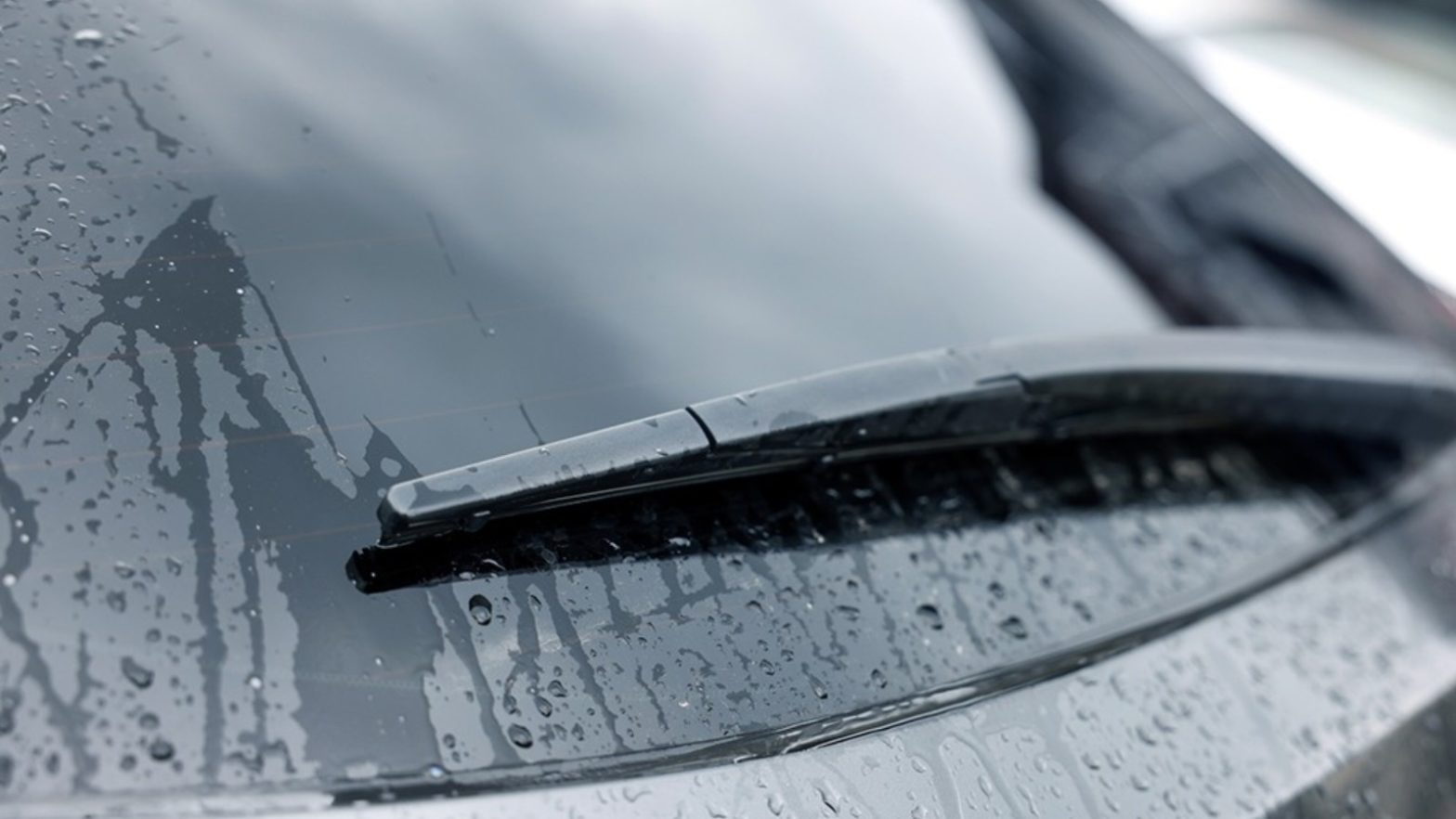
You meticulously maintain your front windshield wipers, but when was the last time you thought about the one in the back? For drivers of SUVs, hatchbacks, and minivans, the rear wiper blade is a critical tool for safe visibility. It clears away rain, snow, and road spray kicked up on highways, ensuring you can see the traffic behind you. Yet, it’s often neglected until it’s squeaking loudly or leaving a smeared mess across your rear window. This guide is dedicated to that forgotten workhorse. We’ll walk you through everything you need to know about rear wiper blade replacement, from finding the correct size to a foolproof installation.
Why Your Rear Wiper Blade Deserves Attention
The rear wiper operates in a uniquely harsh environment. It’s exposed to exhaust residue, road grime, and often sits stationary for long periods, baking in the sun or freezing in place. This accelerates wear on the rubber. A failing rear wiper isn’t just an annoyance; it’s a safety compromise. Poor rear visibility during bad weather can make lane changes and reversing hazardous. Replacing it is a simple, inexpensive maintenance task that restores a clear view and completes your vehicle’s safety system.
Recognizing the Signs of a Worn Rear Wiper
Don’t wait for it to fail completely. Look for these telltale signs that your rear wiper blade needs replacing:
-
Streaking or Smearing: Leaves thin lines or a hazy film of water on the glass.
-
Chattering or Skipping: Jumps across the window instead of moving smoothly.
-
Squeaking Noises: A high-pitched squeal during operation.
-
Visible Damage: Check for cracked, torn, or misshapen rubber. The metal arm may also look corroded.
-
Complete Ineffectiveness: It moves but does nothing to clear water or debris.
Finding the Correct Replacement: Size and Type
This is the most crucial step, as rear wipers are not one-size-fits-all. Using the wrong size or connector will lead to a failed installation.
Method 1: Check Your Owner’s Manual
The most reliable source. The manual will list the exact rear wiper blade size (e.g., 12 inches, 13 inches) and sometimes even a part number.
Method 2: Measure Your Old Blade
If you have the old blade, use a ruler or tape measure to find the length of the rubber squeegee (not the entire metal arm) in inches. Round to the nearest whole inch.
Method 3: Use a Retailer Lookup Tool
Most auto parts store websites have a “vehicle lookup” tool. Enter your vehicle’s year, make, and model (e.g., 2020 Honda CR-V) to get a list of compatible blades.
Understanding Rear Wiper Connectors
Rear wipers typically use one of two wiper blade connectors:
-
Hook-Style (J-Hook): A simple, J-shaped hook that is very common.
-
Pin-Type (Bayonet or Side Pin): Uses a small plastic pin or button for attachment.
Inspect the end of your wiper arm (where it connects to the blade) to identify the type. Take a photo with your phone for reference when shopping.
Step-by-Step: How to Replace Your Rear Wiper Blade
Replacing a rear wiper is often easier than the front ones. Follow these steps for a quick, safe installation.
What You’ll Need:
-
The correct new rear wiper blade
-
A soft cloth or towel (optional)
The Replacement Process:
-
Prepare the Area: Lift the wiper arm away from the rear window so it’s standing upright. You may want to place a soft cloth on the glass underneath the arm in case it slips.
-
Remove the Old Wiper Blade:
-
For Hook-Style: Locate the small release tab on the underside of the blade where it connects to the arm. Press the tab firmly and slide the blade down off the hook.
-
For Pin-Type: Look for a small button or locking clip. Press it and gently pull the blade away from the arm to disengage the pin.
-
-
Attach the New Wiper Blade:
-
Align the new blade’s connector with the wiper arm. For hook-style, slide it up onto the hook until you hear a solid click. For pin-type, align and push it onto the pin until it locks.
-
Important: Tug gently on the new blade to ensure it is securely locked in place.
-
-
Lower the Arm and Test: Gently lower the wiper arm back onto the glass. Do not let it snap back. Turn on your vehicle and test the rear wiper with washer fluid to ensure smooth, streak-free operation.
Pro Tips for Rear Wiper Longevity and Performance
-
Clean the Blade and Glass: When washing your car, wipe the rear wiper rubber with a damp cloth and clean the rear window thoroughly. A dirty window is the #1 cause of streaking.
-
Lift in Winter: Before a snow or ice storm, lift the rear wiper arm away from the window to prevent it from freezing to the glass.
-
Don’t Force It: If the wiper is frozen to the window, never force it or turn it on. Use your defroster or manually de-ice the window first.
-
Consider an Upgrade: If you replace your front blades with a premium brand (like Bosch or Rain-X), see if they make a compatible rear blade for a matching performance upgrade.
Clear Visibility, Front to Back
Replacing your rear wiper blade is a 5-minute task with a major impact on your driving safety and confidence. By paying attention to the signs of wear, taking a moment to find the correct replacement, and following the simple installation steps, you ensure a completely clear view in all directions. Don’t let this small component be an afterthought. Check your rear wiper today—your next drive in the rain will be safer and noticeably clearer.
