
Why Wiper Blade Health is Non-Negotiable in 2026
Before we dive into the signs, it’s crucial to understand the stakes. Wiper technology has evolved alongside vehicles. The simple rubber strips of the past are now often complex, aerodynamic, and sometimes even heated or coated with water-repellent treatments. Their primary job remains unchanged: to maintain a clear line of sight. According to recent data, nearly 90% of all driving decisions are based on visual input. Impaired visibility during precipitation directly increases reaction time and accident risk. Furthermore, with the proliferation of windshield-mounted cameras for lane-keeping, automatic emergency braking, and adaptive cruise control, a streaky or debris-covered windshield can confuse these systems, potentially disabling them when you need them most. Replacing worn blades is a small investment for a massive return in safety and technology functionality.
The 7 Critical Signs Your Wiper Blades Need Immediate Replacement
Don’t wait for a monsoon to test your wipers. Perform these checks regularly, especially with the seasonal temperature extremes that accelerate wear.
1. Streaking: The Classic Tell-Tale Sign
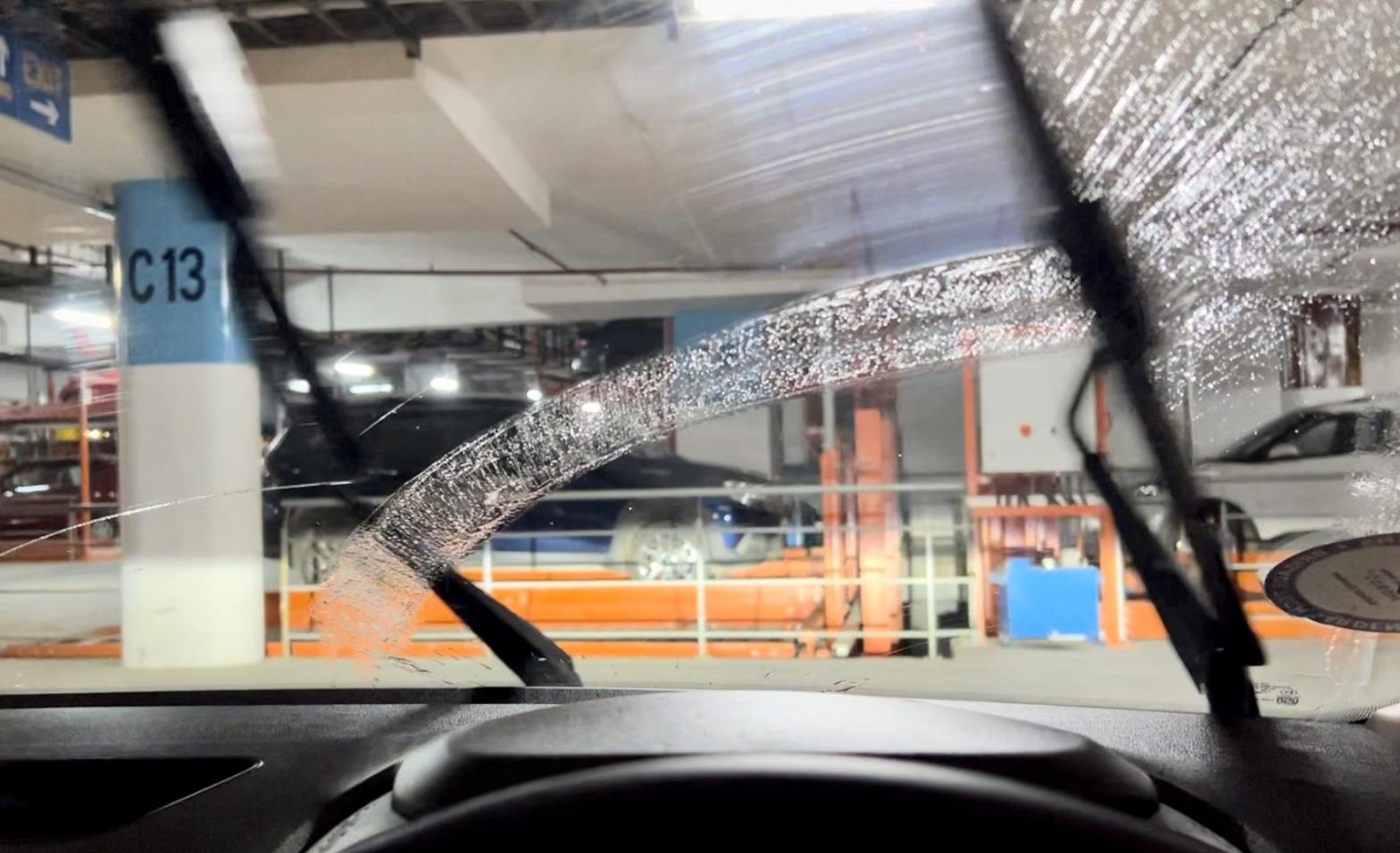
This is the most common complaint. Instead of wiping clean, the blade leaves behind thin, wet lines or ribbons of water on the glass. These streaks scatter light from oncoming traffic and streetlights, creating a dangerous glare.
Cause: Streaking occurs when the rubber edge of the blade has become uneven, nicked, or contaminated with road grime, tree sap, or oxidation from the windshield itself. The blade no longer makes uniform contact with the glass.
The Test: Run your wipers on a clean, wet windshield (use your washer fluid). Do you see consistent, clear arcs or distracting vertical lines?
2. Chattering or Skipping Across the Glass
If your wipers bounce, hop, or make a chattering sound as they move, they’re failing. This isn’t just an annoying noise; it means entire sections of the windshield are being skipped over.
Cause: The rubber has hardened and lost its flexibility, or the wiper arm’s tension spring has weakened. A hardened blade cannot conform to the subtle curvature of your modern windshield. It can also be caused by a buildup of wax or sealant on the glass.
The Test: Listen and watch. Smooth, quiet operation is the goal. Any juddering motion is a red flag.
3. Visible Damage to the Rubber Edge
Get hands-on. Lift the wiper arm away from the windshield (do this gently when the glass is cool to avoid damage) and inspect the rubber squeegee edge. Run your finger along it.
What to Look For:
- Cracks or Splits: Dry rot from sun exposure (UV damage) is a primary killer of wiper blades.
- Missing Chunks or Tears: Physical damage from ice, debris, or improper installation.
- Uneven or Rounded Edge: A sharp, straight edge is required to squeegee water away. A rounded edge will simply push water around.
4. Squeaking During Operation
A high-pitched squeal every time the blade sweeps is more than an ear-sore. It indicates excessive friction between the rubber and the glass.
Cause: Like chattering, this is often due to hardened, aged rubber. It can also signal that the blades are dirty or that the windshield itself has a contaminant film. In some cases, using the wrong type of washer fluid (e.g., a harsh cleaner not designed for wiper systems) can degrade the rubber and cause noise.
5. Missed Spots or “Crowning”
Are there persistent patches or a wide, uncleared band right in your line of sight? This is sometimes called “crowning,” where the center of the blade wears out faster than the ends, creating a curved profile that fails to contact the center of the glass.
Cause: Uneven pressure from a bent wiper arm or, more commonly, the natural wear pattern from the blade’s arc. It creates a critical blind spot that no driver can afford.
6. Bent or Damaged Wiper Frame
The problem isn’t always the rubber. The metal or composite frame that holds the blade can become bent, corroded, or loose. This prevents the blade from applying even pressure across the windshield.
Cause: Often the result of an attempted ice removal where the wiper was pulled away from the frozen glass, or from automatic car washes with aggressive equipment. A bent frame cannot be repaired; it requires replacement of the entire blade assembly.
7. The Six-Month/One-Year Rule (Even With No Obvious Signs)
This is the most proactive sign. Manufacturers and safety experts recommend replacing standard rubber wiper blades every 6 to 12 months. Even if they “seem okay,” the sun’s UV rays, ozone, temperature swings, and environmental contaminants are constantly degrading the material. In the intense sun and heat of summer, followed by the freeze-thaw cycles of winter, this timeline is a reliable safety guideline. Consider it routine maintenance, like an oil change.
Beyond the Blades: Pro Tips for Optimal Wiper Performance in 2026
Maximizing your visibility involves more than just swapping blades. Follow these modern maintenance tips:
- Clean Your Windshield and Blades Regularly: Use a dedicated automotive glass cleaner and a microfiber cloth to remove film and grime. Wipe down the rubber blades gently with rubbing alcohol to remove contaminants.
- Use High-Quality, All-Season Washer Fluid: Don’t just use water. Modern fluid contains detergents and antifreeze agents that help clean and prevent freezing in the lines. Top it off regularly.
- Lift Blades Before Ice Storms: If you know freezing weather is coming, lift the wiper arms away from the glass to prevent them from freezing to the windshield, which can tear the rubber.
- Consider Advanced Blade Materials: For 2026 drivers, look into silicone or hybrid rubber-silicone blades. They typically last longer, resist UV damage and extreme temperatures better, and provide a smoother wipe than traditional rubber.
- Don’t Forget the Rear Wiper: On SUVs, hatchbacks, and crossovers, the rear wiper is equally important for a complete view. Check and replace it on the same schedule.
Conclusion: Your Clear View to Safer Journeys
In the rapidly advancing automotive landscape of 2026, where technology assists our every move, the humble wiper blade remains a human-centric safeguard. It is the direct link between your eyes and the road. Ignoring the signs of wear—streaking, chattering, visible damage, and noise—compromises that link at the most critical moments. A summer storm can arrive with little warning, turning a sunny commute into a low-visibility challenge. By performing simple, regular inspections and adhering to a preventive replacement schedule, you ensure that your first line of defense against the elements is always battle-ready. Don’t let a $30 maintenance item become the reason for a costly accident. Replace your wiper blades proactively, and drive into every season with confidence and a clear view ahead.
